From Glowing Tubes to Digital Bedroom Recordings
When I started playing in my first band in 1976, singing and playing guitar, it was a truly exciting era. I suppose it’s a matter of opinion, but I believe it was one of the best times to be alive as a musician, surrounded by iconic singers and an endless stream of new bands, many of which are still famous today. It felt like a roller coaster ride; the sheer amount of new music pouring out was simply amazing.
Top of Pops was the music highlight of the week. Recording songs from the radio onto a tape recorder was the only way to “download” a track back then. Learning a song often meant copying from one tape to another on a dual cassette recorder to separate it to play over and over— that was the norm. No – YouTube
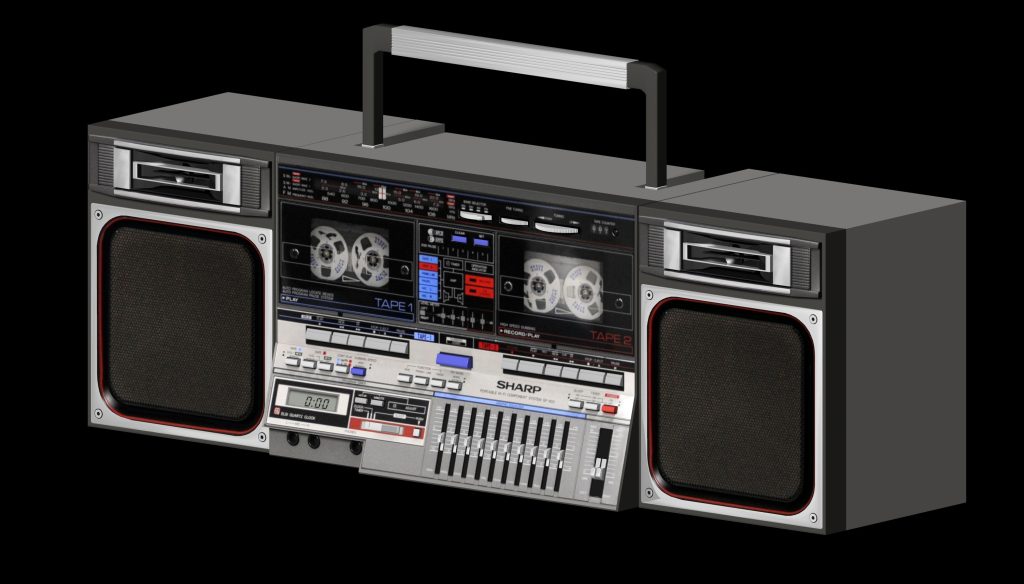
Image by Alexander Antropov from Pixabay
I played my various electric guitars through mostly Marshall, Vox, and Fender amps over the years. My favorite was definitely the Vox AC/30 amp with its clear, and treble focused sound.
I played in several country bands as well and used Fender amps quite often, for their clean and natural sound. I also used the Marshall amp on a couple of occasions for more power and bite with rock bands.
Back then, guitar amplifiers, were rather heavy, and fairly expensive. Vacuum tube amps delivered rich, tone, compression and overdrive. They sounded best when cranked up loud. Everything sounded better cranked up loud then.
I transitioned to acoustic guitar when I began playing solo, then traveling out of Ireland to other countries. I would usually play and sing through whatever PA system was available at the venue.
__________________________________________
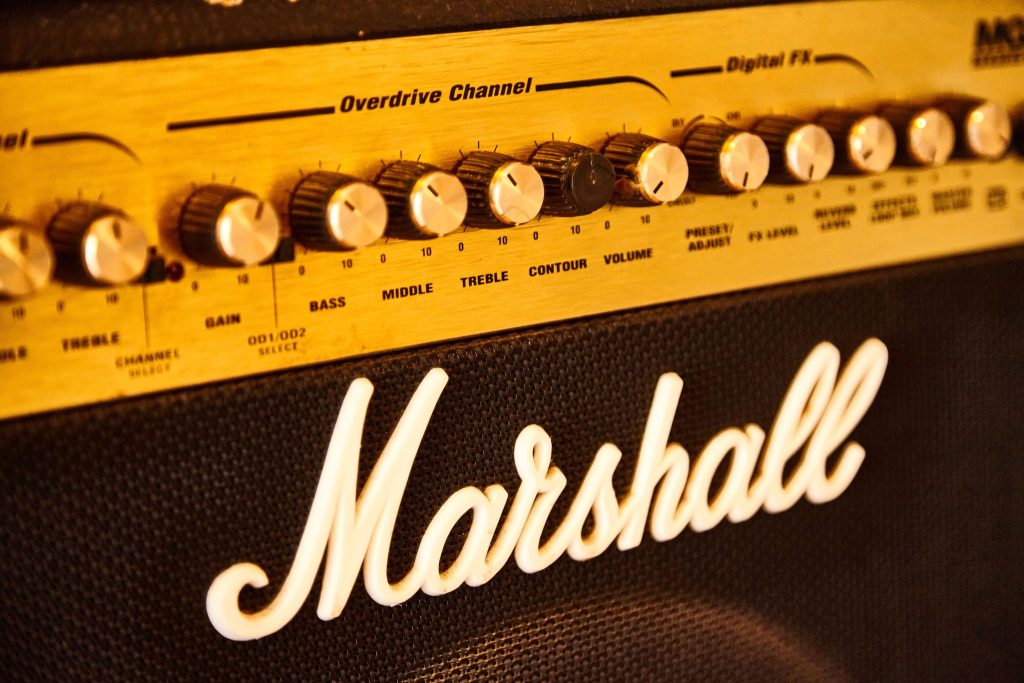
m
age by Marc Rickertsen from Pixabay
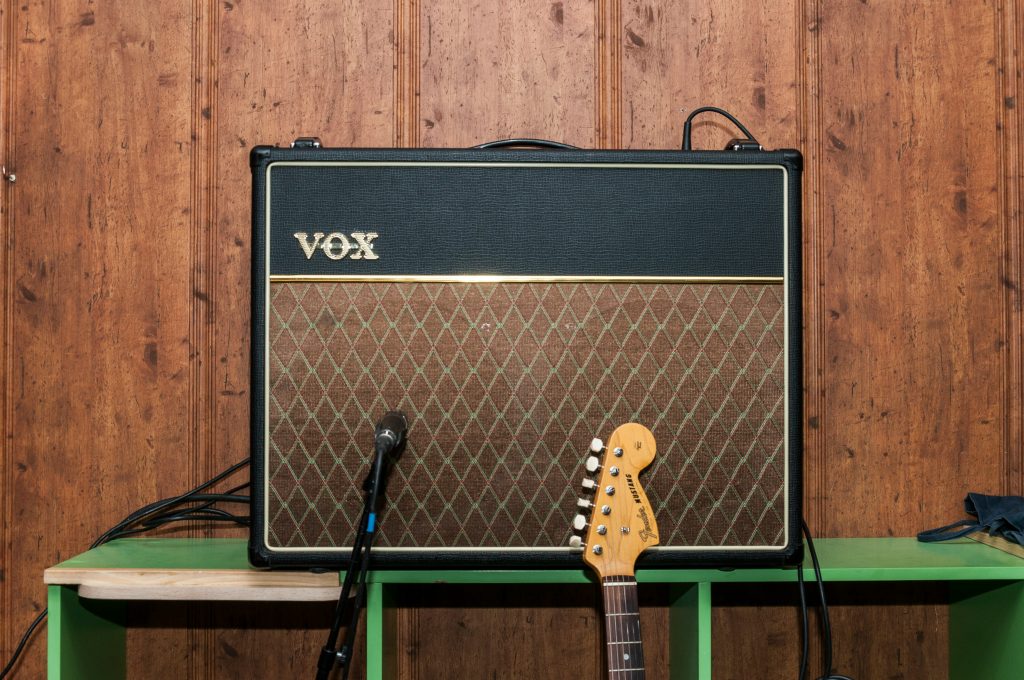
Photo by
Eder Pozo Pérez on Unsplash
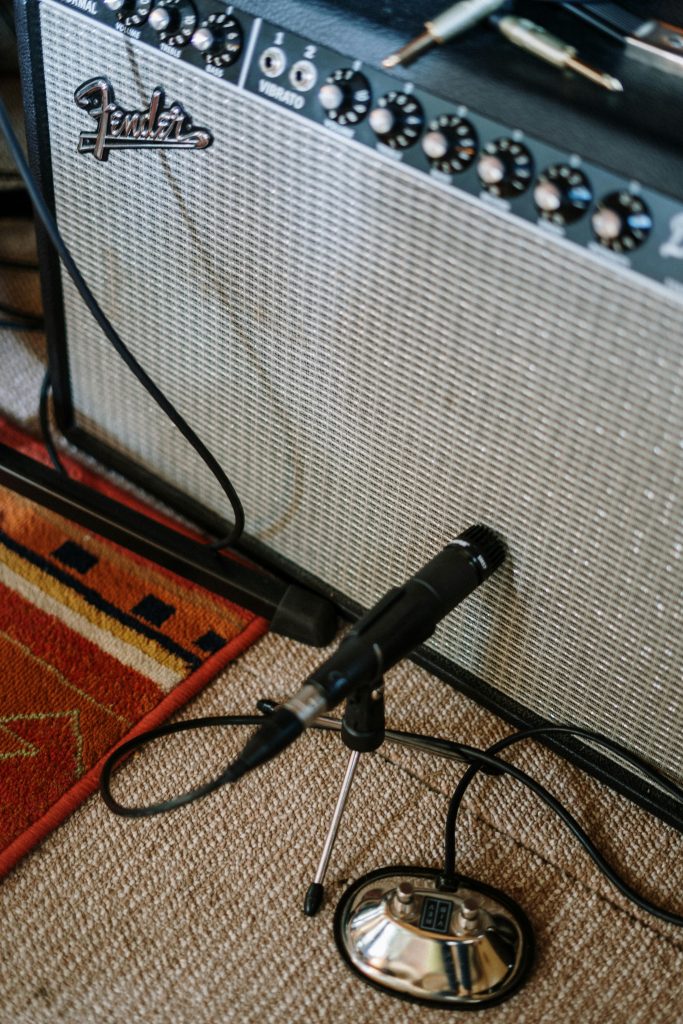
Photo by cottonbro studio: https://www.pexels.com/photo/black-and-red-corded-device-4087993/
__________________________________________
History of these three iconic amps
1. Marshall Amp and Where It Is Today
Vox
Fender
Decades later, the world shifted to digital.
Modeling amps—from the early Line 6 POD to today’s Kemper, Fractal, and Neural DSP units—use powerful DSP to emulate classic tube tones with remarkable accuracy, offering versatility and portability without the weight or maintenance of tubes. But are they better?