By: Sean Treacy – OnlineNews.ie – Image Ai Generated
SICAP – Socail Inclusion and Community Activation Programme
What safeguarding measures, security checks and accountability procedures are in place to protect people attending or working in these centres? How are participating individual’s identities and backgrounds verified, particularly where they have lived abroad?
We must not underestimate the SICAP programme and it’s potential impact on our country as a whole, and there is an urgent need for greater transparency, public scrutiny and accountability and why it was introduced in the first place.
What does SICAP actually authorise, and what safeguards are in place to protect local communities. The public deserves clear answers about who is eligible to participate, whether individual’s identities and backgrounds are verified, what criminal-record checks are required where legally applicable, and how these programmes are monitored and held accountable.
Local residents should not be left in the dark about how publicly funded initiatives operate within their communities. Transparency, proper oversight, and meaningful consultation with local people are essential to maintaining public trust, protecting community safety, and could well leave some Irish people socially excluded, if foreign staff numbers exceed Irish staff or management positions.
A serious amount of money being allocated.
The figures also warrant attention. In a parliamentary answer, the Government confirmed that €48.9 million in core funding was committed to SICAP for 2025. It also confirmed that an additional €36 million had been secured through SICAP over the period 2022–2025 to support Ukrainian nationals displaced by war and international protection applicants.
Employment outcomes in the communities also require scrutiny. When SICAP reports people progressing into employment, what types of jobs are involved, are they replacing Irish people? Are they adding to Emigration of young Irish people.
How are the outcomes assessed, and what evidence exists about the programme’s wider impact on Irish culture and on local employment opportunities?
Question to the Irish Government and to Minister Jerry Buttimer, the department responsible for SICAP.
Did the Irish Government conduct a comprehensive assessment of SICAP’s potential long-term impact on our national identity, cultural heritage and established community life, including the potential cultural damage it could cause to Irish communities over time?
If so, where are the findings published, and what evidence is available to demonstrate that the potential consequences for Irish communities and our country as a whole were properly evaluated and addressed?
These are questions that deserve clear and accountable answers.
Some people on these programmes may qualify for working family payment WPR. Carol Nolan asked about this in the Dáil, look at the shocking answer below:
Carol Nolan
Question:
143. Deputy Carol Nolan asked the Minister for Social Protection to provide the number of international protection applicants who have qualified for the working family payment for each year from 2021 to date; the total costs involved for each year; and if he will make a statement on the matter. [6703/25]
Answer from Dara Cleary
Minister for Social Protection for Rural and Community Development and the Gaeltacht.
Working Family Payment (WFP) is a weekly in-work support which provides an income top-up for employees on low earnings with children. To qualify for Working Family Payment, the customer must have at least one qualified child who normally resides with them and be working a minimum of 38 hours per fortnight in ongoing insurable employment.
The Department does not keep a record of international protection applicants who are also in receipt of WFP therefore we are unable to provide the requested information.
I trust this clarifies the matter for the Deputy.
Public money is being allocated, yet it appears there is insufficient transparency about who is receiving it and how it is being spent. It is astonishing that a government minister could make such a statement without being held accountable for the funds allocated to their portfolio and department. What oversight mechanisms are in place to ensure that public money is properly accounted for? I cannot say whether the situation has changed, as I am still awaiting a response to my request for clarification.
https://www.oireachtas.ie/en/debates/question/2025-02-19/section/169
This is the first look, lets see what transpires as I dig deeper into it.
Departmental Strategies
Dáil Éireann Debate, Tuesday – 8 April 2025
https://www.oireachtas.ie/en/debates/question/2025-04-08/1085
Joe O Brien
Minister of State at the Department of Rural and Community Development today (Tuesday, 23rd March) launched a report: The Role of SICAP in Supporting New Communities.
Now CEO of ICCL
SICAP ANNUAL REPORT 2025
I got a copy of this report lately
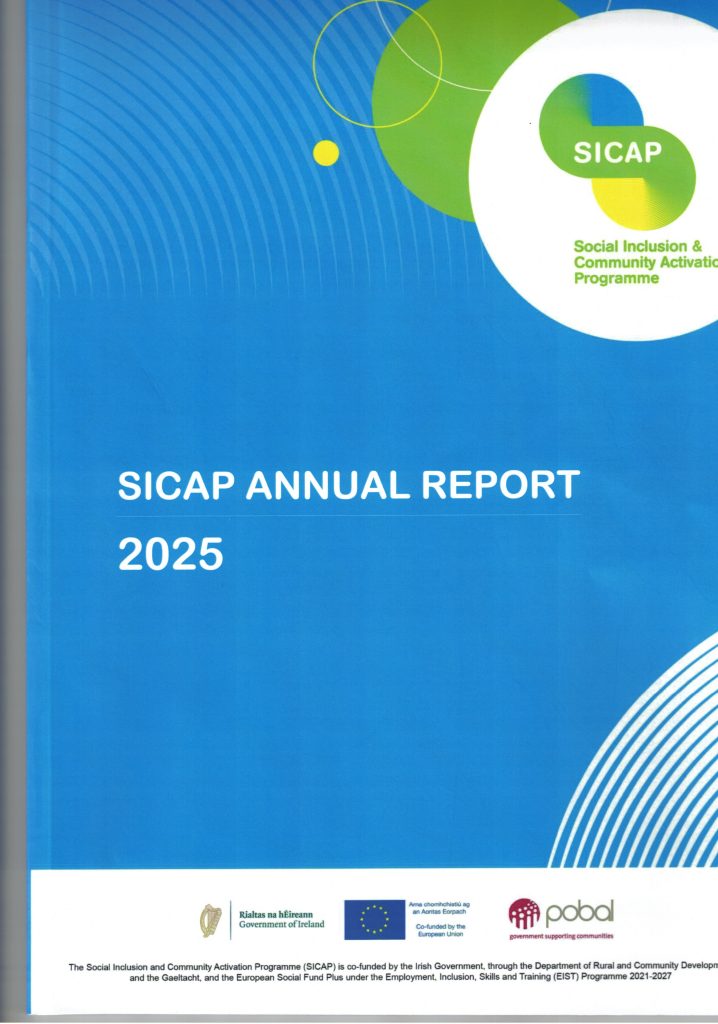
All through this report it speaks about disadvantaged areas in Ireland.
This is rather shocking considering Ireland is rated
2nd Richest Country in the EU.
Ireland is second at $147,878, driven by its status as Europe’s tech headquarters
260,000 CHILDREN, POBAL DEPRIVATION DATA INDEX AND A CLASSROOM REVOLUTION WHERE IRISH CHILDREN ARE LEFT FIGHTING FOR PLACES OR LOCKED OUT
260,000 CHILDREN NAUGHTON’S REVELATION – POBAL HP DEPRIVATION INDEX LAY BARE THE SCALE OF THIS.
Ireland Rated Second Richest Country In EU 2025
24 August 2026.
Central Statistics Office (CSO)
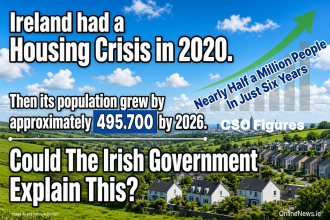
21,000 more children immigrated into Ireland in the 12 months to April 2026.
When does this madness end?
The figures confirm:
- 21,000 children aged 0–14 immigrated to Ireland in the 12 months to April 2026.
- 110,600 people immigrated in total during that period.
- 48,100 was net migration overall, after subtracting emigration.
So what happen to all the money “Squandered”
New Arrivals
The report appears to place a significant emphasis on new arrivals. Since 2022, it seems that the Irish Government has increasingly shifted its focus towards new arrivals, while the needs and concerns of native Irish people and established communities appear to have received less attention.
This raises an important question about SICAP: was the framework designed to address the needs of all communities equally, or was it primarily intended to support new arrivals, with broader community benefits used to present it as an inclusive programme?
Ultimately, SICAP must clarify who is included under the term “New Arrivals”, including asylum seekers, refugees, Ukrainian beneficiaries of temporary protection and other migrants. Since 2022, where is the evidence showing how public funds have been distributed between these groups and Irish-born citizens and established local communities? The public deserves transparency, documented figures and accountability to establish who is actually benefiting and whether funding is being distributed fairly across all communities.