Ireland’s hospitality and tourist sector
Ireland’s hospitality and tourist sector, now feels like a near-complete replacement or “wipe out” of Irish nationals specifically at front-desk receptions in many hotels. Irish Hotel Receptions seem to be missing one very important component – Irish staff.
All manner of excuses are being deployed to brazenly sustain this egregious disregard: the routine hiring of cheap foreign labour, showing complete indifference to Ireland’s identity, to visitors from across the country, to global tourists seeking an authentic experience, and to the integrity of our national culture. Conscience appears absent; relentless greed seems to be the order of the day.
It’s absolutely jarring to expect a warm Irish welcome at a hotel reception, only to encounter staff who are clearly struggling with English or speak with such a strong accent that a simple conversation turns into an uphill battle.
Open the floodgates to foreign workers
The Irish government has relentlessly thrown open the floodgates to foreign workers, paving the way for the potential replacement of all Irish staff in hospitality. Yet we’re constantly assured it’s merely a “reliance on international recruitment,” as 2026 job ads and trends show widespread visa sponsorship for exactly these positions.
Guests sometimes tie this to a perceived loss of that classic warm, local “Irish welcome” or insider knowledge about the area.
______________________________________
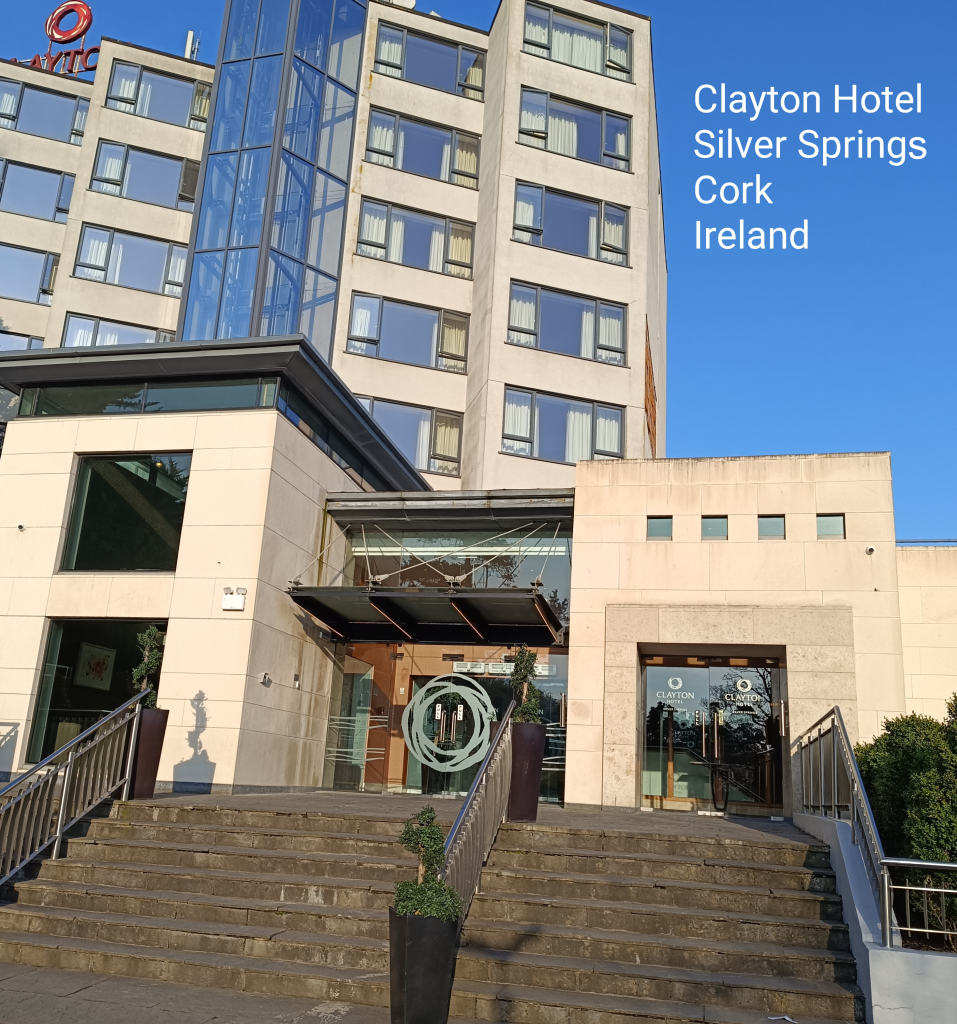
Visit to Clayton Hotel
Silver Springs Cork
Sat 21 St March 2026
What an unexpected surprise a person from Dungarvan on reception and mostly Irish staff on. It was nice to be able to interact with Irish staff. Thank you Clayton Hotel owners.
Positive Cultural Impacts and Promotion
Ireland’s tourism sector actively celebrates and exports its culture as a core selling point. Recent strategies emphasize authenticity and depth:
- The new National Tourism Policy Statement (launched late 2025, guiding 2026 onward) highlights tourism as a vehicle for showcasing Ireland’s rich heritage, vibrant culture, and world-renowned hospitality. It promotes links to heritage, sport, the night-time economy, and especially culinary tourism (with a dedicated new strategy to elevate Irish food experiences, local ingredients, and provenance).
- Tourism Ireland’s 2026 marketing plans (including the global campaign “Ireland Goes Beyond”) focus on creating memorable connections with people and place — emphasizing iconic landscapes, culture, history, festivals, events, culinary tourism, and activity-based travel. The aim is to exceed visitor expectations by highlighting the “spirit of generosity,” warmth of welcome, and participatory elements like music, food, and art.
- Efforts target year-round tourism, regional dispersal (beyond Dublin to areas like the Wild Atlantic Way or Ireland’s Ancient East), and high-value experiences rooted in living culture — such as local interactions, storytelling, and community events.
These initiatives position tourism as a positive force for cultural preservation, boosting pride in Irish traditions while generating economic benefits (over €6 billion in overseas spend in 2025, with ambitions for €10 billion by 2031).
Boosting pride in Irish traditions while generating economic benefits.
________________________________________
Live music sessions and, more importantly, who will deliver the authentic warm welcome.
One has to question the source of the live music sessions and, more importantly, who will deliver the authentic warm welcome that Ireland is famous for.
Barring a reversal of prevailing trends, it won’t be Irish staff at the front desk, in the dining areas as servers, or in most other staff positions within these establishments. Most music makers are out of work.
Is this just a smokescreen
Irish culture has been dismantled from within: foreign-dominated media flood the airwaves with non-Irish music, while our hotels rely almost exclusively on foreign workers across every department. This insult to our identity won’t just persist; it will intensify as Irish workers are kept out on the street.
The Irish live music scene is in crisis
The Irish live music scene is in crisis: countless musicians and performers are struggling with unemployment due to a severe lack of gigs. This is largely because government decisions have closed or repurposed so many pubs, clubs, and grassroots venues, frequently converting them into IPAS centers to house asylum seekers.
Less focus on prioritizing the employment of Irish people in frontline roles.
The new National Tourism Policy Statement places a strong emphasis on digital development and transformation for tourism SMEs—targeting 90% adoption of advanced digital tools (including AI) by 2031 to boost competitiveness, operations, marketing, and personalization.
However, there appears to be far less focus on prioritizing the employment of Irish people in frontline roles, such as meet-and-greet positions at hotels, airports, or visitor sites, to deliver that authentic, warm Irish welcome visitors often expect.
Glaring disrespect to those who truly enrich Ireland’s cultural identity.
Artists faced a 3-year application and selection process under the Basic Income for the Arts scheme for just €325 weekly. In stark contrast, politicians receive their full TD salary of €118,284—plus allowances and expenses—immediately upon election, without any trial period or vetting.
It’s a glaring disrespect to those who truly enrich Ireland’s cultural identity.
So who is all this €10 Billion actually for.
Key Takeaways
- Ireland’s hospitality sector faces a significant shift, with many front-desk positions filled by non-Irish staff, impacting the traditional welcome experience.
- The Irish government actively encourages foreign workers, raising concerns about the potential loss of Irish employees in hospitality roles.
- Cultural promotions in tourism focus on authenticity, culinary experiences, and preserving Irish heritage while aiming for economic growth.
- The live music scene struggles due to venue closures, further highlighting the need to support local artists and maintain cultural identity.
- Current tourism policies show less emphasis on hiring Irish staff in frontline roles, which undermines the authentic Irish hospitality expected by visitors.