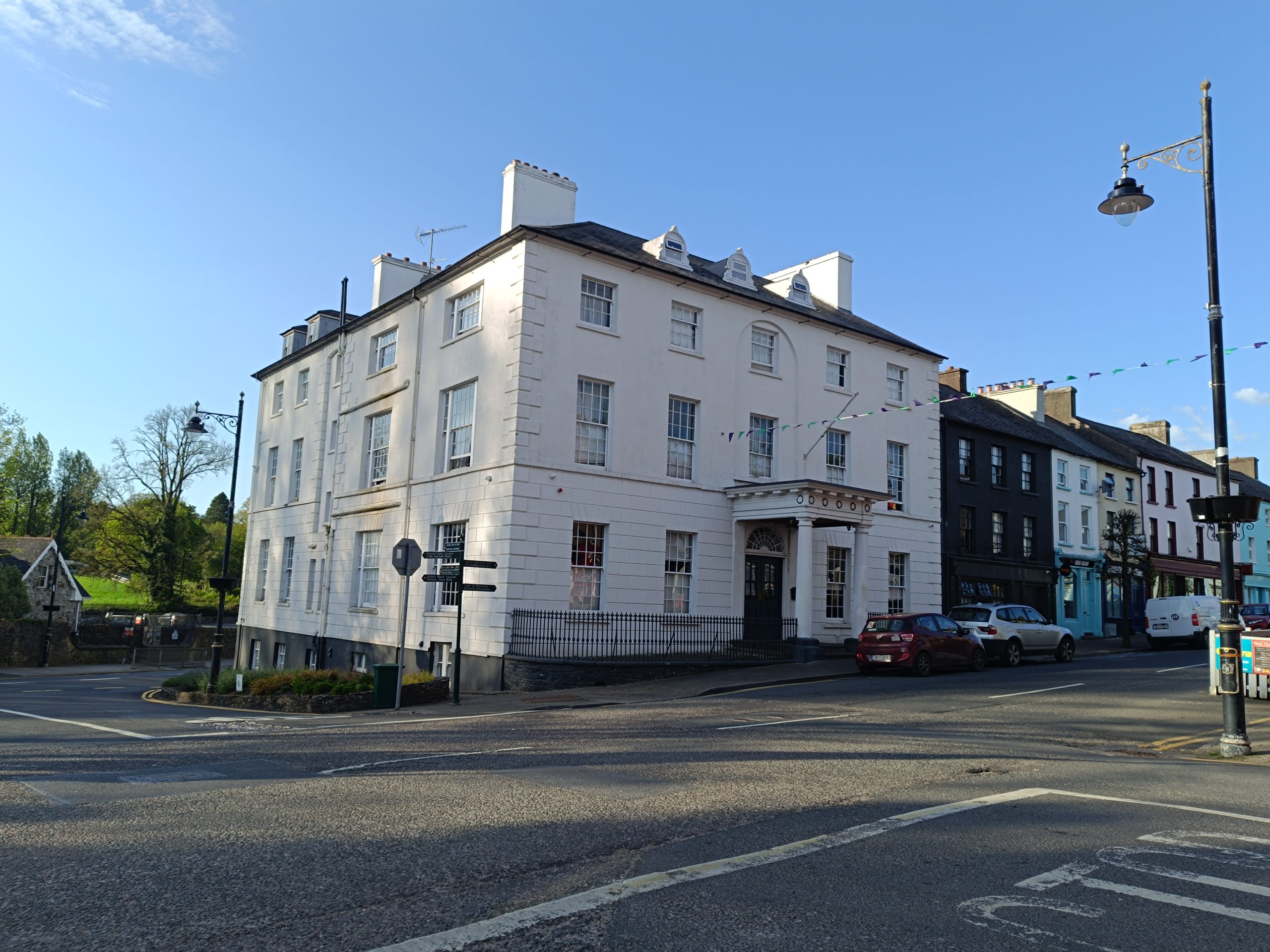
Lismore in County Waterford, long known for its picturesque setting along the Blackwater River, Lismore Castle, scenic walking and cycling routes, and rich heritage, has been transformed into what locals describe as a virtual ghost town for tourists.
See For Yourself
Photos: 29th / 04 / 2026 – 18.51 – ©onlinenews.ie
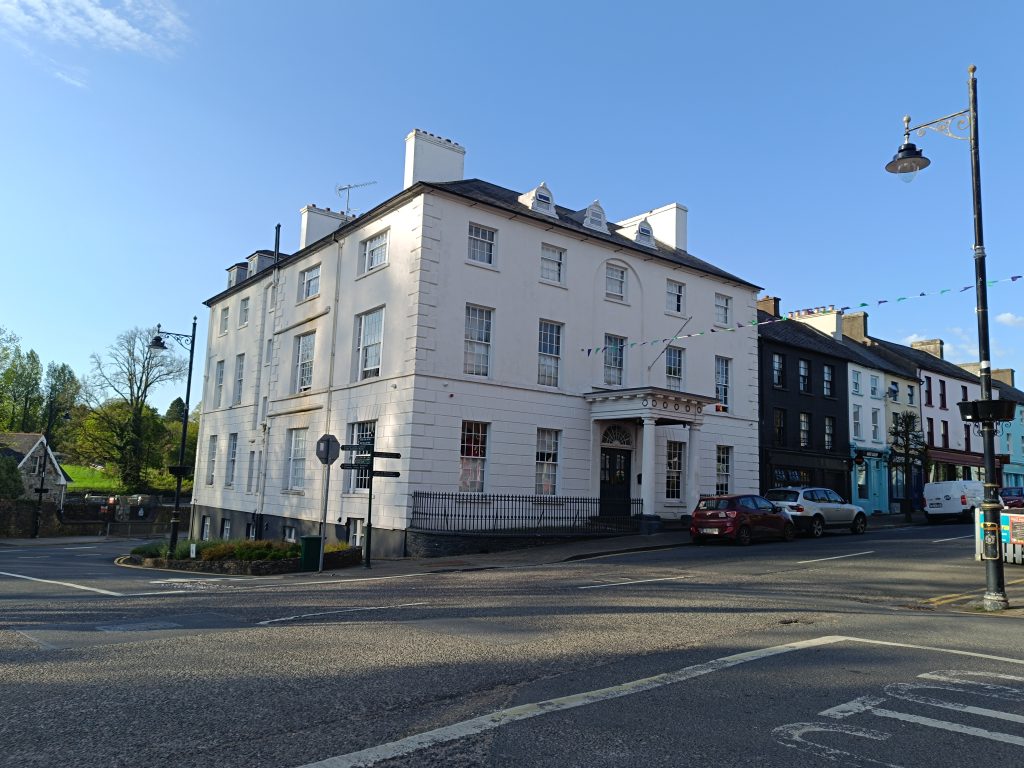
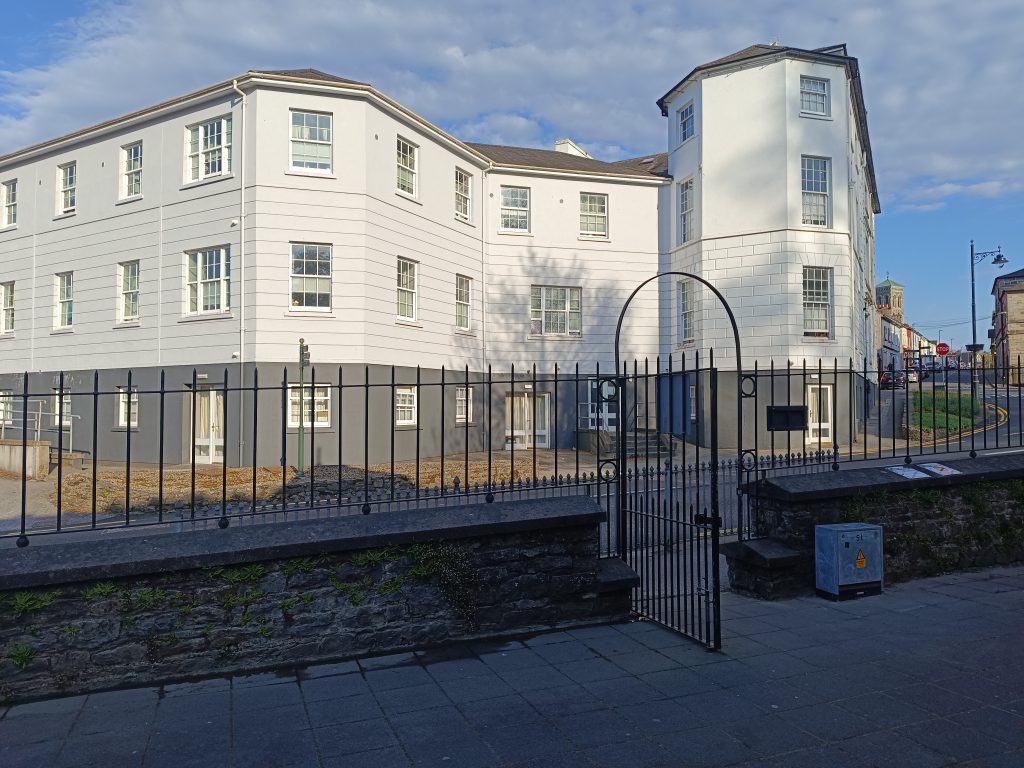
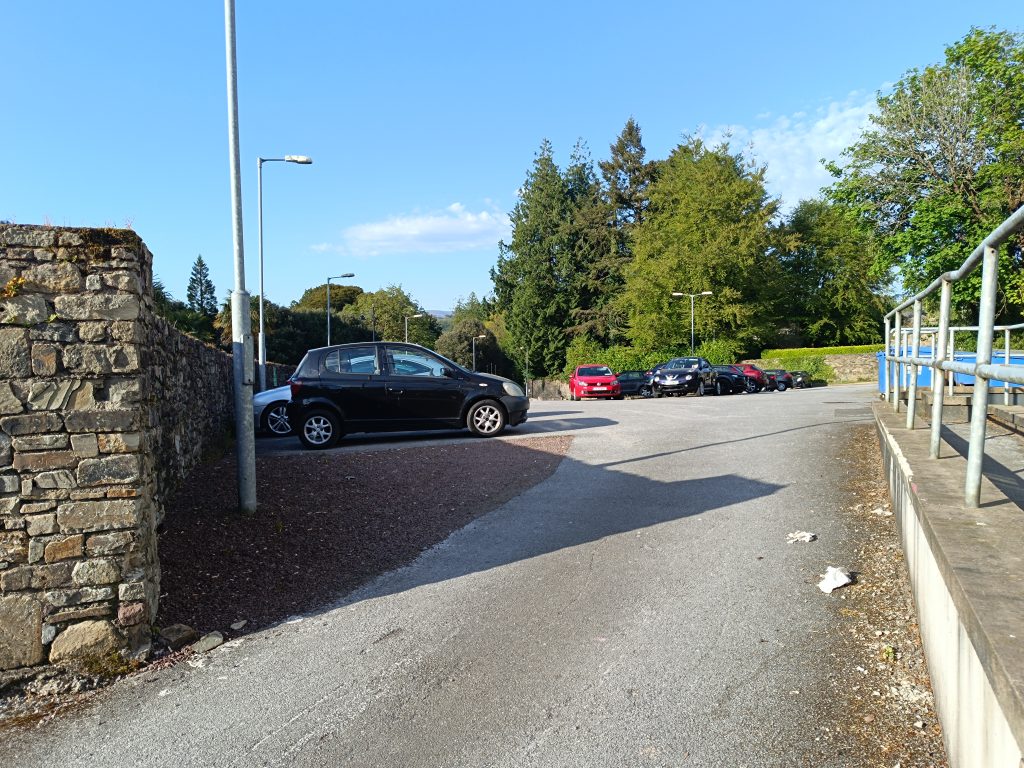
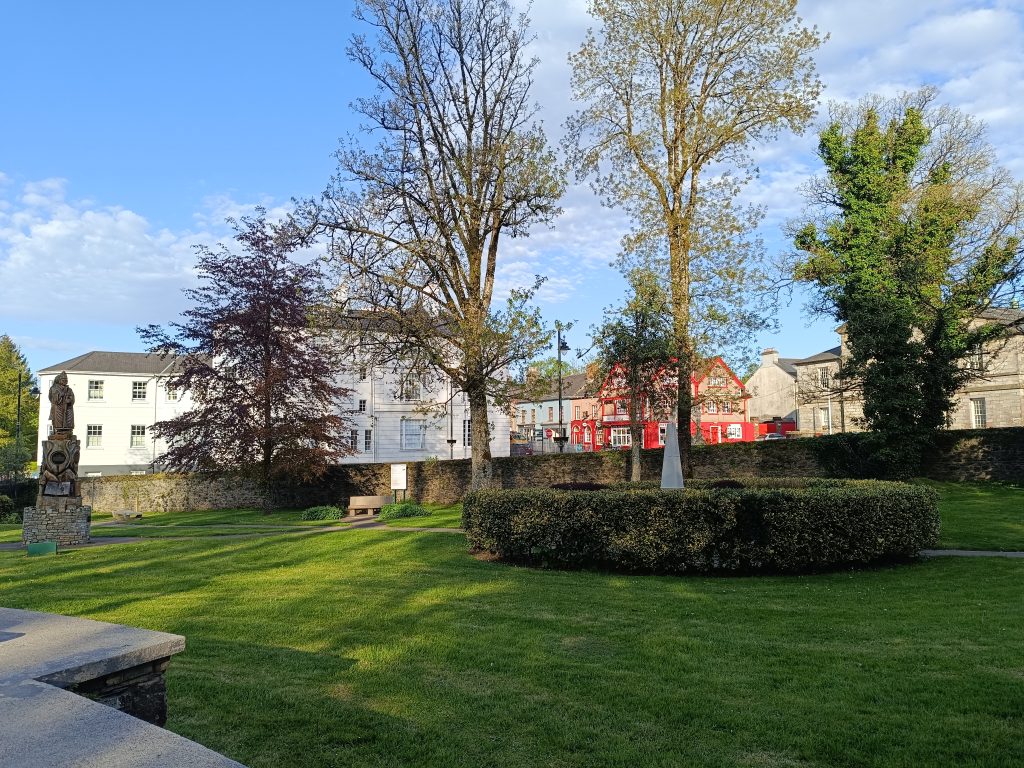
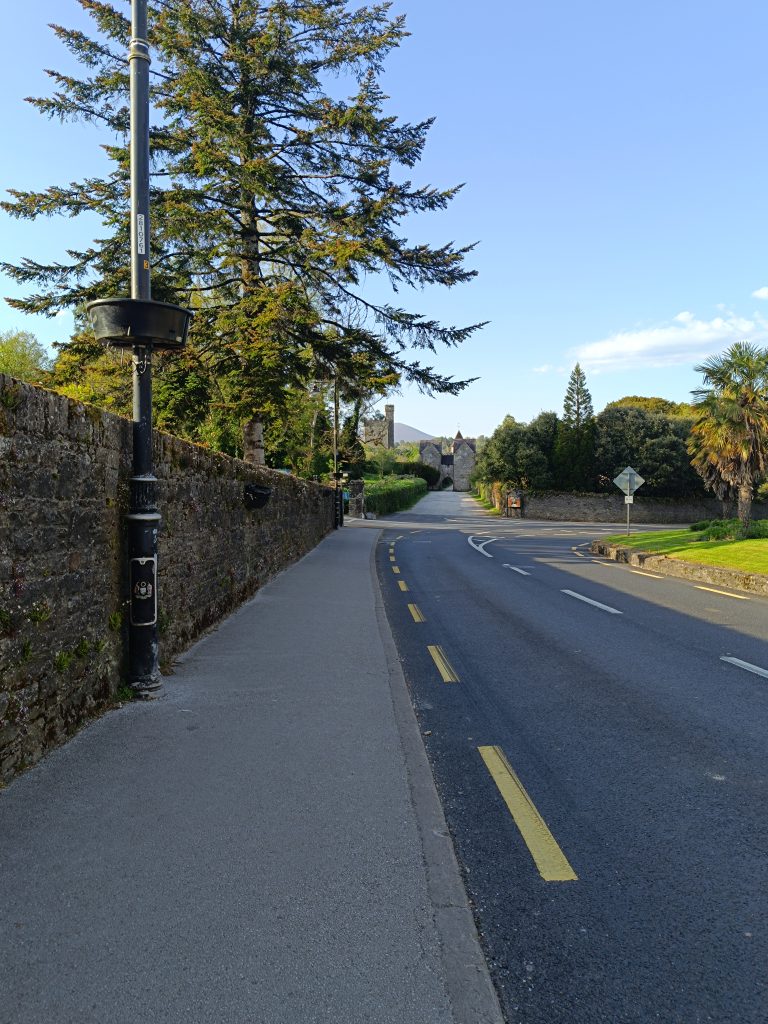
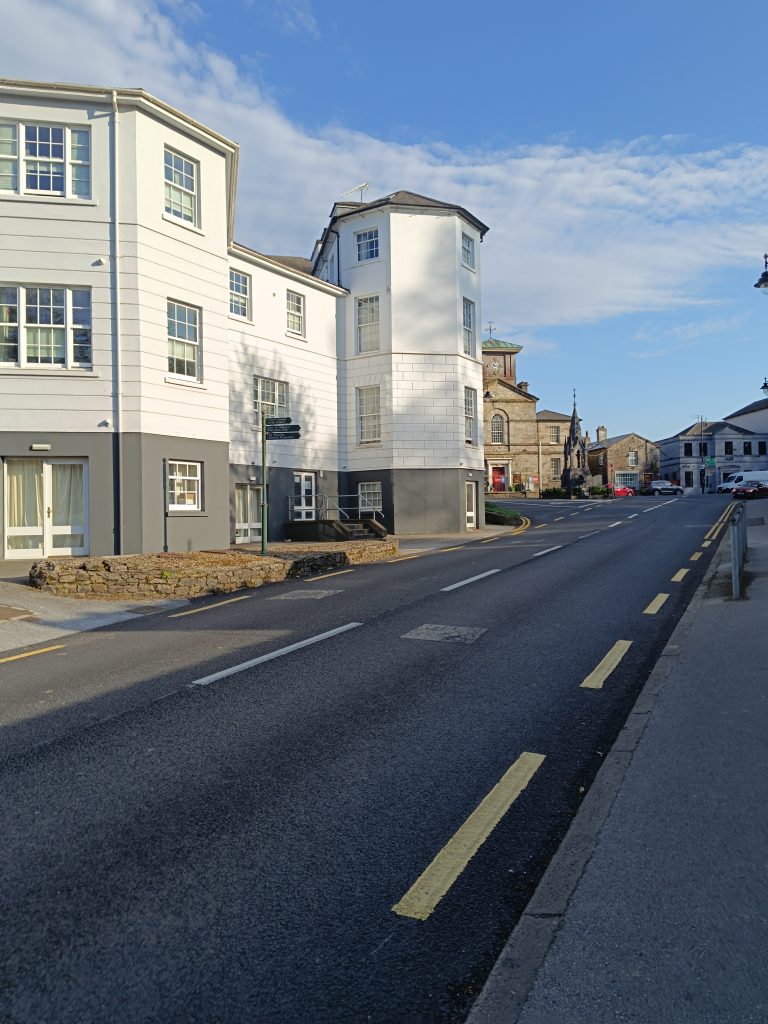
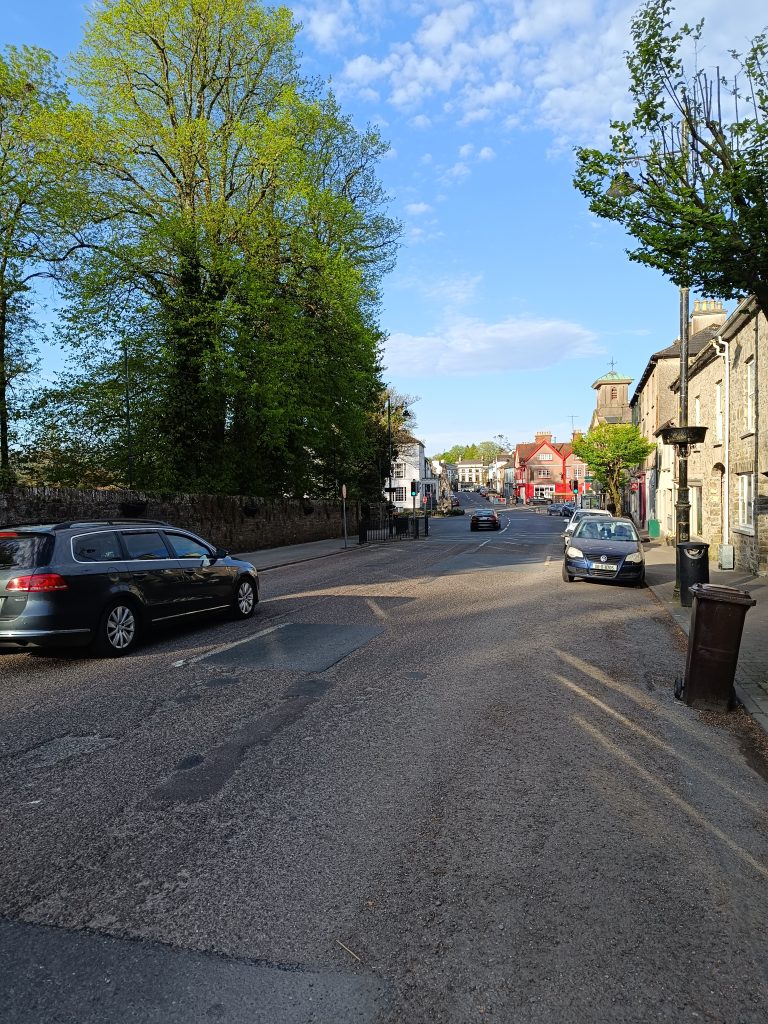
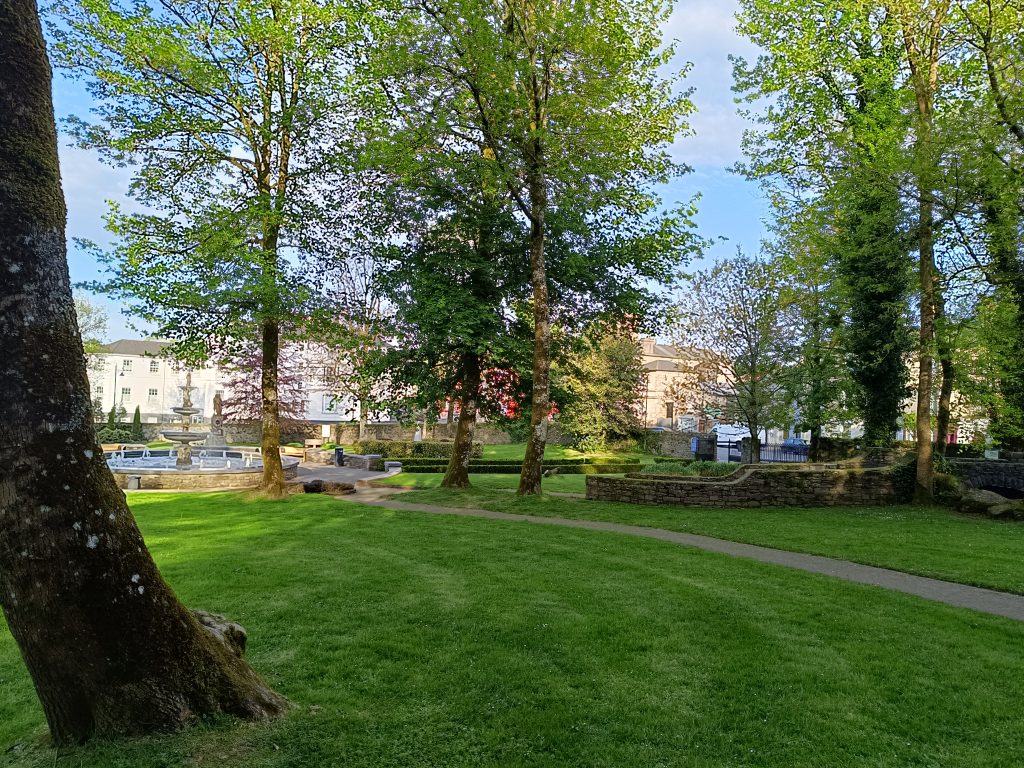
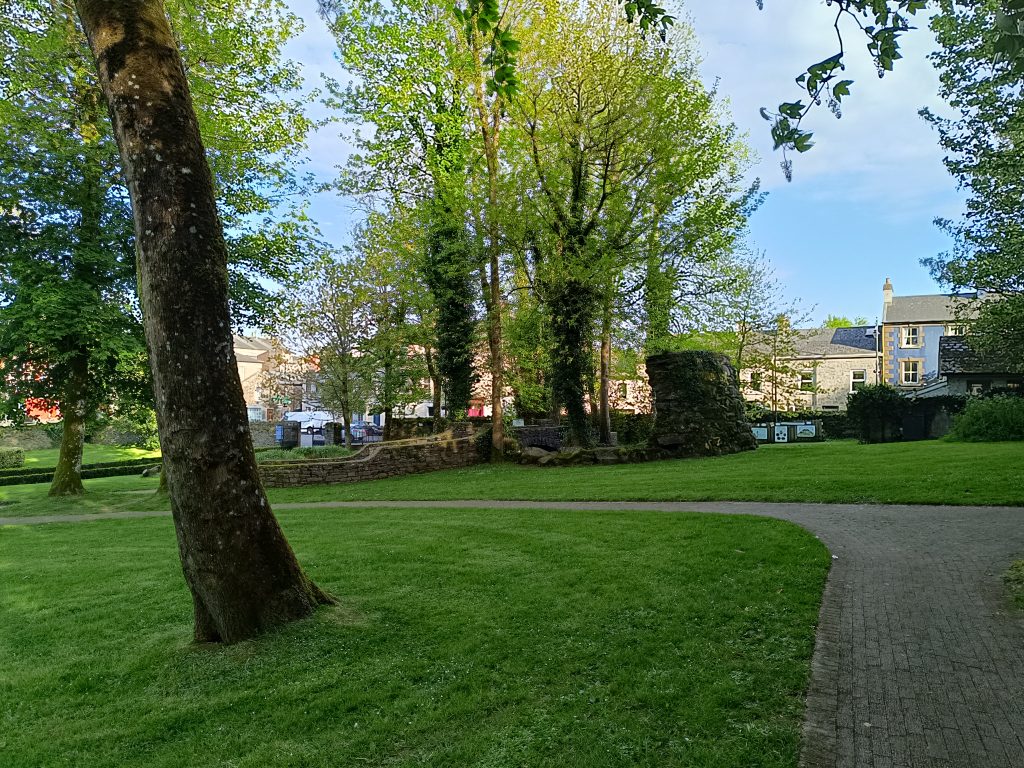
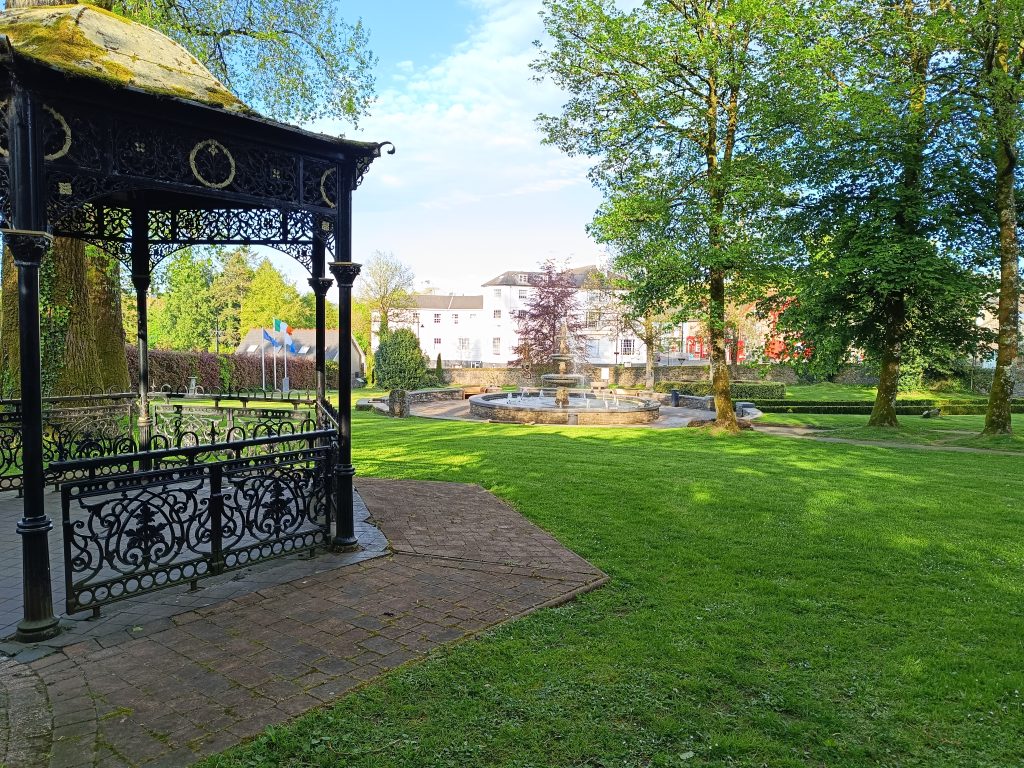
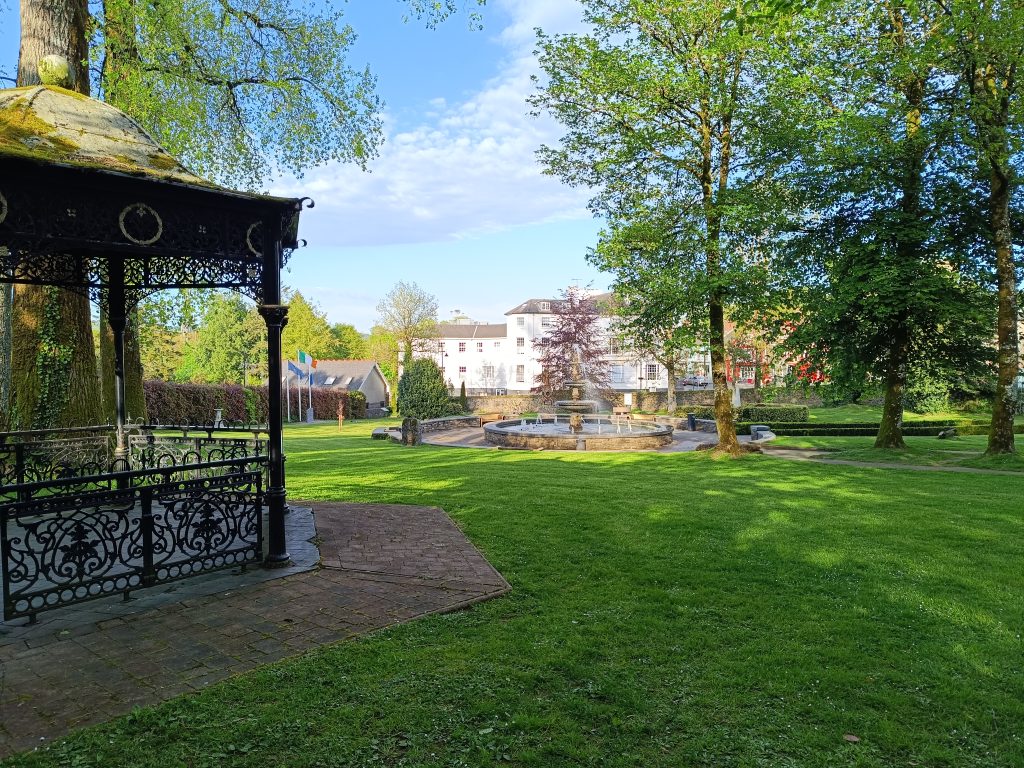
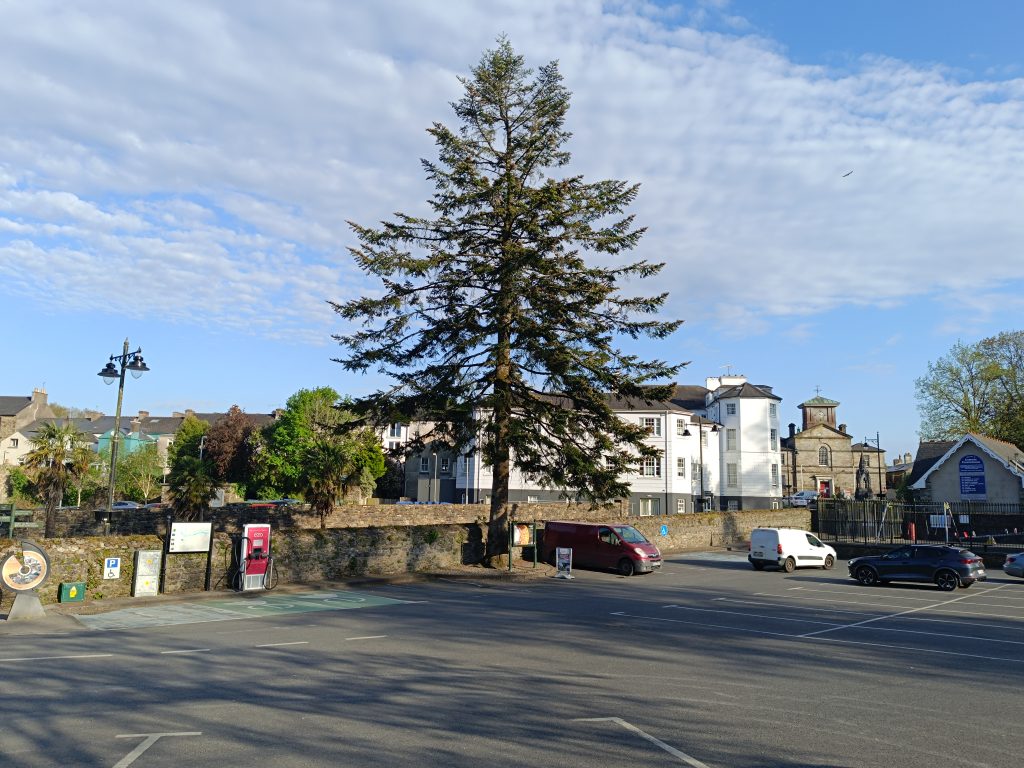
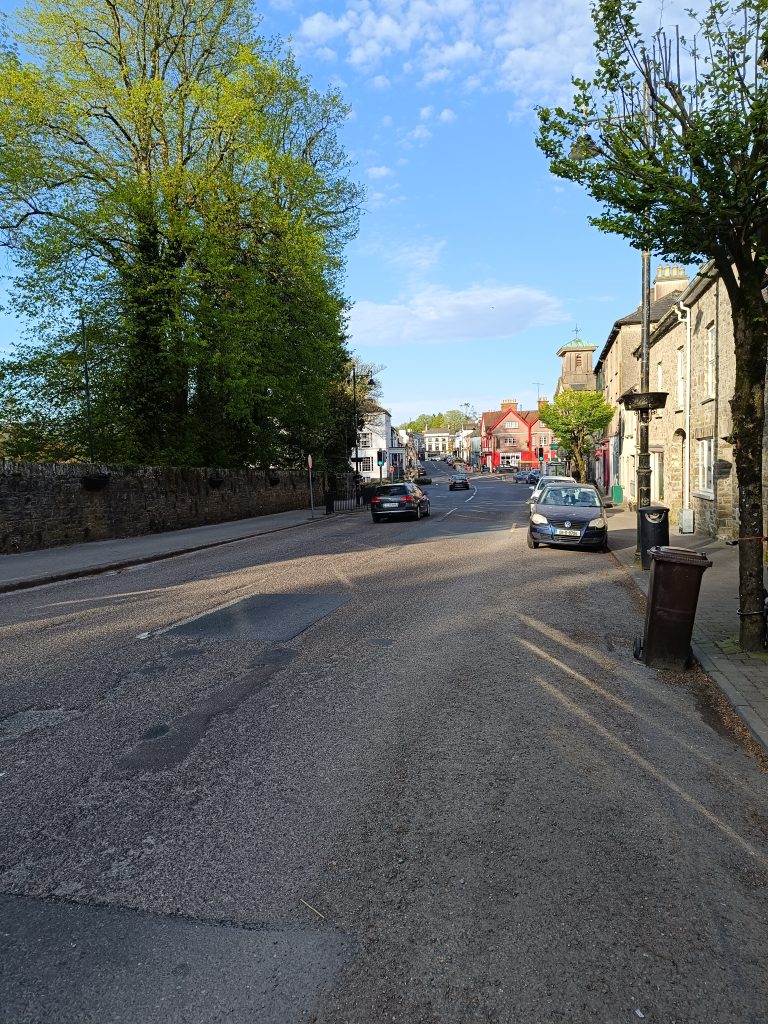
Not a tourist to be seen – Not one local person out walking the streets.
The reason is straightforward and has hit the small community hard: the town’s only major hotel, the historic Lismore House Hotel, has been operating as a state-run International Protection Accommodation Services (IPAS) centre since early 2023.
Instead of welcoming paying visitors, the hotel now accommodates around 120 asylum seekers and international protection applicants. Locals mounted strong protests in January and February 2023, with crowds of 200 to 300 turning out to object.
An Bord Pleanála upheld an appeal and ruled that the works carried out at the hotel to facilitate the IPAS centre were not exempted development.
A major planning dispute has added to local frustration. In January 2025, An Bord Pleanála upheld an appeal and ruled that the works carried out at the hotel to facilitate the IPAS centre were not exempted development. The board determined that the changes materially affected the character of the protected structure, meaning the owner must apply for full planning permission. Despite this clear ruling, Waterford City and County Council has not enforced the decision.
Based on reporting up to late 2025, the Lismore Hotel has received almost €12 million in IPAS payments while continuing to operate as an asylum center despite previous planning challenges.
Calculating this for 120 people, it is costing the Irish Tax Payer: Almost 4 Million Euro per year, approximately €34.000 per year, per person.
This is not including other benefits for the occupants or lost revenue to the area.
In comparison a person who worked most of their lives maybe 50 years, now on a full contributory pension €299.30 per week, receives less that half that amount €15,560 per year. So this is what Irish politicians think of Irish peoples contribution to our society.
Lismore’s Tourism Economy
Lismore’s tourism economy relies heavily on overnight stays. With the central hotel removed from the tourist market, footfall in shops, pubs and restaurants has collapsed. The vibrant atmosphere that once drew visitors has largely evaporated.
This situation is not unique to Lismore. Across rural Ireland, hotels and even some bed-and-breakfasts have been pulled into IPAS contracts because the state pays reliably and often at premium rates. In Waterford county alone, hotel operators have received over €36 million from these deals. Nationally, the IPAS system now costs taxpayers more than €1.2 billion per year and houses around 33,000 people across 300-plus centres.
A significant portion of those applying for international protection are not genuine refugees fleeing war or persecution, but economic migrants from safe countries.
Official 2025 statistics from Ireland’s International Protection Office show that a significant portion of international protection applicants are not genuine refugees fleeing war or persecution, but economic migrants from safe countries. Of the 13,160 applications received, over 20,200 first-instance decisions were issued: only 18.61% (3,737) were granted protection, while 81.39% were refused. Among the 2,541 decisions for applicants from Ireland’s 15 designated safe countries of origin (including Albania, Georgia, Algeria, Brazil, Egypt, India and Morocco), the grant rate was just 8.18% (208 granted), with 91.82% refused. These countries are officially assessed as having no general risk of persecution or conflict, confirming that the majority of such claims are economic migration routed through the asylum system.
Ireland has seen record numbers of applications, slow processing times, low deportation rates, and high grant rates for nationalities that do not typically meet the legal definition of refugee status. The result is what many residents call “fakeugees” , people using the asylum route for better economic prospects while Irish communities bear the cost.
The Lismore case perfectly illustrates the wider problem. A small town of roughly 1,800 people loses its key tourism asset, local services come under pressure, and the feeling grows that Dublin’s asylum and accommodation policies steamroll rural Ireland without proper consultation or proper legal immigration laws.
Some locals have discussed pursuing a High Court injunction to force the council to enforce the planning ruling, but as of late 2025 the centre remains open.
I walked around Lismore yesterday and was appalled. In my view, what has been done to this small Irish community amounts to a criminal act by the Government. It’s deeply shocking and heartbreaking for the people who live there and the surrounding areas. I went to school in Lismore and played hurling and football with the school team, which makes it all the more upsetting to see.
My own home town a few miles away has not escaped either nearly all rental property with off the chart rental prices, most rentals or new sales in foreign occupancy. Young Irish people are being forced to immigrate now they cannot afford these properties. This is the same story being reported to me from small towns all around Ireland.
Never in my wildest nightmares did I ever think I would see a beautiful historic town reduced to a literal ghost town.
Lets see what the local politicians and Waterford Co. Council have to say?
Article from:
https://gript.ie/treacy-cherry-orchard-ipas-company-case-struck-out-by-court/Owners: Lore Prop trousered another €1,766,583 in IPAS payments for the last three months of 2025 – bringing its overall take from the taxpayer to almost €12 million.
That is despite the fact that Lismore man, Pat Gibney, successfully contested the use since February 2023 of the Lismore Hotel as an IPAS centre. It had been given approval under a claim for exemption by Waterford City and County Council – but only on May 25, 2023 three months AFTER the hotel began to accommodate applicants for International Protection.
Letters sent to Minister Jim O Callaghan – CEO Ryanair – CEO Aer Lingus and President Catherine Connolly
The Irish Governments’ ongoing failure to quickly and reliably identify individuals who discard their documents on arrival has allowed significant numbers of false, duplicate, and opportunistic asylum claims.
This loophole has been known for more than a decade, and it is unacceptable that the Government did not address it in the International Protection Act 2026.
Once again, a straightforward and practical solution was ignored. The cost of this failure has been enormous borne by Irish taxpayers, airlines through repeated €5,000 carrier liability fines, and ordinary passengers through higher fares.
Why has the Irish Government not addressed this?