In this TalkTV documentary (about 1 hour long), journalist Isabel Oakeshott presents the undercover footage and story of Christian Drogan, a Rochdale builder who spent two weeks posing as a migrant in the Calais and Dunkirk “jungle” camps.
He blended in (growing a beard, using a fake identity), contacted smugglers via WhatsApp/TikTok, lived in the chaotic, mafia-controlled camps (Gangs, gunfire at night, violence, drugs), and tried to cross the Channel.
Key revelations:
- Camps are dangerous and run by criminal networks.
- Migrants get tents, food, and help from charities.
- French police are seen everywhere (camps, buses, trains, beaches) but do little to stop the crossings — sometimes appearing to facilitate movement.
- He states: The role of charities in the Calais and Dunkirk migrant camps is not merely to provide humanitarian support, but in reality, they are actively aiding and abetting the illegal migration process. Without their assistance—supplying food, water, clothing, phone charging, and other essentials—the migrants would not be unable to sustain themselves in the camps long enough to organize smuggling arrangements and ultimately board the small boats to cross the Channel.
- French Police officers are present everywhere along the migrants’ route — in/around the “jungle” camps, on buses and trains across northern France, on streets, and near beaches where boats launch. Despite this visibility, they do nothing to stop or deter them.
- The UK has provided substantial funding to France for years to bolster patrols, destroy boats, deploy drones, police camps, and enhance security in northern France (e.g., Calais/Dunkirk areas). Reports indicate over £700 million paid since 2018 under various agreements, with the UK often covering a large share (e.g., £155 million of £250 million for specific patrols and equipment in one recent period).
Drogan highlights the organized smuggling, the mix of people (many young men, not all “doctors/engineers”), and the risks involved. The film argues the UK should “wake up” to the reality of the small-boat migrant crisis.
So what does all this mean for us here in Ireland?
We’ve observed a steady flow of migrants moving from Northern Ireland into the Republic of Ireland. Reports indicate that at times, up to 90% of these individuals have the United Kingdom as their initial destination. This pattern suggests that Ireland may be functioning as a soft entry point: people first reach the UK, then continue onward into the Republic.
One suspected route involves migrants crossing the Channel from Calais or Dunkirk into the UK, then travelling from Northern Ireland across the border into the Republic — often by taxi, with the journey reportedly funded by the Irish Government — all the way to Dublin.
Loophole that smugglers and migrants exploit. Why has this taken so long to address to close this loophole?
The UK’s departure from the EU removed one key tool — the Dublin returns system — but it did not remove Ireland’s own legal obligations to receive and process asylum seekers. Combined with the open border on the island of Ireland, this has created a structural loophole that people smugglers and migrants are actively exploiting.
Seemingly, politicians are not spending millions on taxis out of generosity; they are complying with binding domestic and international law while belatedly trying to close the gaps — without risking the collapse of the Good Friday Agreement or further court defeats.
When international laws produce such absurd and unsustainable outcomes, they urgently need to be reformed. Countries forced to bear the costs of these flawed rules should also receive fair compensation from the international community for the resulting damage and financial burden. But this situation has far broader connotations.
In reality in this instance, would it be far cheaper for the Irish government to challenge these cases in court than to continue paying €400 per taxi to transport people from Northern Ireland to Dublin?
Officials have repeatedly stated that detailed per-person or per-route breakdowns (including how many people vs. how many taxis) are not centrally tracked or published. Why is this, the bill is enormous now. Where is the accountability?
Projections for 2026 suggest the cost of asylum accommodation and related services (including transport) could reach a staggering “€3.4 billion“.
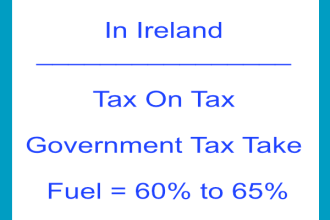
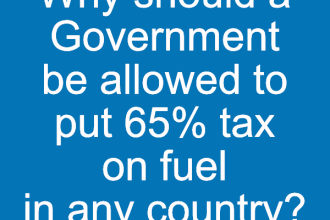
Many people are questioning whether the spiralling cost of this uncontrollable immigration location is one of the main reasons why taxes and living costs are rising across so many areas of Irish life — including at the fuel pumps, where around 65% of the price per litre now goes straight to the State in excise duty, VAT, and carbon tax.
Beyond the financial burden, this situation is also placing severe strain on housing availability, public services, and the broader social cohesion of the country.