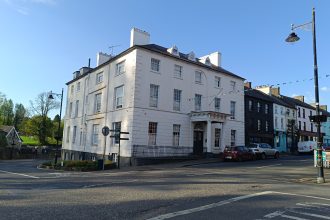
My research indicates (which I hope is accurate) is: The first recorded St. Patrick’s Day parade in Ireland occurred in Waterford in 1903, the same year it became a public holiday.
- This is widely recognized as the earliest documented parade on the island, starting as a local celebration.
- Dublin’s first official, state-sponsored parade began in 1931, organized by the Irish Army. It was initially more of a military-style event, reflecting the era’s emphasis on national pride and identity post-independence.
- Early parades in Ireland were modest, often involving military displays, bands, and community groups. Pubs were closed on March 17 until the 1960s (due to licensing laws from 1927–1961), keeping celebrations restrained and focused on religious aspects.
The transformation into the vibrant, international-style festival happened in the late 20th century:
- From the 1970s, Dublin’s parade was organized by Dublin Tourism, incorporating more floats, performers, and cultural elements.
- In 1995, the St. Patrick’s Festival was established in Dublin, turning the day into a multi-day event with parades, concerts, street entertainment, fireworks, and a focus on showcasing Irish culture globally.
This shift was influenced by tourism promotion and the desire to mirror (and sometimes reclaim) the lively celebrations Irish diaspora communities had popularized abroad.
Today, St. Patrick’s Day parades are held in cities and towns across Ireland — from Dublin’s massive national parade (often featuring international participants, giant puppets, and themed floats) to Parades in places like Cork, Galway, Limerick, and Waterford, nearly every town and city Ireland in fact .
They emphasize Irish music, dance, heritage, and attracting locals and tourists alike. What started as a religious feast has evolved into a global celebration of Irish identity, with parades now a key part of the national holiday.
Beyond the parade in some places now, a four day festival is held, includes events: live music gigs, cultural workshops, family activities, street performances, concerts, food experiences, and more.